
Your Gut Health May Not Be About Food At All
If you train hard, eat well, and still feel bloated, uncomfortable, or like your body is working against you, your gut might be trying to tell you something important. Many women who push their bodies through intense workouts and maintain clean diets still struggle with gut issues. The surprising truth is that the root cause often has little to do with food.
This post explores why gut problems are so common in women who run, lift, and train hard. It explains why cutting out foods usually misses the real issue and what is truly driving symptoms that many women manage instead of fix. This is a clear, practical guide for women ready to understand their gut beyond diet restrictions.
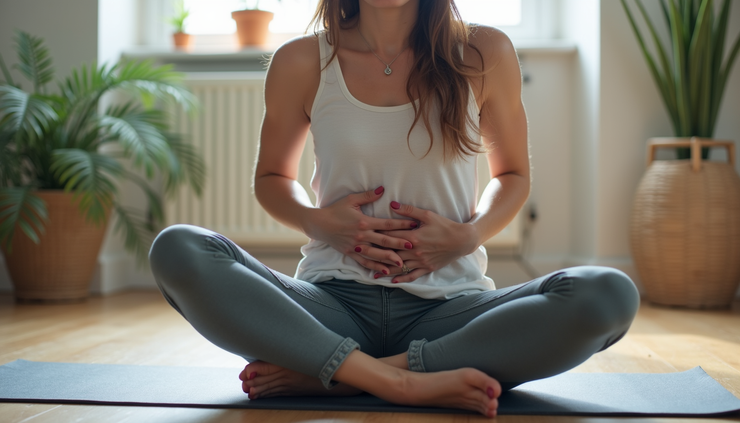
What Your Gut Is Really Doing
Your gut is more than just a digestion machine. About 70% of your immune system lives in your gut. This means your gut health directly affects your overall immunity and how your body responds to stress and inflammation.
The gut hosts trillions of bacteria that help break down food, produce vitamins, and protect against harmful pathogens. When this balance is disrupted, it can lead to symptoms like bloating, cramps, and irregular bowel movements.
Understanding this connection helps explain why gut issues are so common, especially in women who train hard. Your gut is not just about food digestion but also about immune regulation and hormonal balance.
How Modern "Healthy" Foods Can Harm Your Gut
Many convenient "healthy" foods like protein bars, sugar-free snacks, and diet drinks seem like good choices for active women. However, these products often contain artificial sweeteners, preservatives, and additives that quietly degrade your gut microbiome.
For example, sugar-free sweeteners such as sucralose and aspartame can alter gut bacteria diversity and increase gut permeability. This means your gut lining becomes more "leaky," allowing substances to pass into your bloodstream that shouldn’t be there, triggering inflammation.
Choosing whole, minimally processed foods and limiting these convenient products can help protect your gut environment and reduce symptoms.
Stress Changes Your Gut Function
Chronic background stress has a direct impact on gut motility (how food moves through your digestive system), permeability, and tolerance. During stressful weeks, many women notice their gut symptoms worsen.
Stress triggers the release of cortisol and other hormones that slow digestion and increase gut inflammation. This can cause bloating, constipation, or diarrhea. Your gut is genuinely worse during stressful periods, not just reacting to food.
Managing stress through mindfulness, breathing exercises, or gentle movement can support your gut health alongside nutrition.
Hormones Shift Gut Function Across Your Cycle
Oestrogen and progesterone influence gut function throughout the menstrual cycle. Many women experience increased gut symptoms in week three of their cycle, which is often mistaken for food intolerance.
During this phase, progesterone slows gut motility, leading to constipation or bloating. Oestrogen fluctuations can also affect gut inflammation and sensitivity.
Recognizing these hormonal effects helps avoid unnecessary food eliminations and supports a more targeted approach to managing symptoms.
The IBS Self-Diagnosis Epidemic
Irritable Bowel Syndrome (IBS) is often self-diagnosed based on symptoms like bloating, cramps, and irregular bowel movements. However, IBS is a complex condition that requires proper assessment before starting any elimination diet.
Many women jump to cutting out foods without understanding the underlying causes, which can worsen gut health by reducing microbial diversity and nutrient intake.
Before eliminating foods, it’s important to assess factors like stress, hormonal balance, gut motility, and possible infections or inflammation.
Why High-Volume Training Can Stress Your Gut
Training at high volume can become a gut stressor. "Runner’s gut" is a common term for gastrointestinal symptoms experienced during or after running, but it reflects a broader issue.
Intense exercise diverts blood flow away from the gut to muscles, reducing digestion efficiency. This can cause nausea, cramping, and diarrhea. Over time, repeated stress can alter gut barrier function and microbiome balance.
Listening to your body and adjusting training intensity or timing of meals can help reduce these symptoms.
A Four-Step Framework to Reset Gut Health
Resetting gut health requires a clear, step-by-step approach without unnecessary food restrictions. Here is a practical framework:
Support your microbiome
Eat a variety of fiber-rich, whole foods like vegetables, fruits, legumes, and fermented foods to nourish beneficial bacteria.
Manage stress
Incorporate daily stress-reduction techniques such as meditation, yoga, or deep breathing.
Balance hormones
Track your menstrual cycle and adjust nutrition and training to support gut function during different phases.
Optimize training load
Avoid excessive high-volume training without adequate recovery. Pay attention to gut symptoms and adjust accordingly.
This approach targets the root causes of gut issues and helps rebuild gut health sustainably.
If this resonates, send Poppy a DM with the word GUT - @poppy.nfc on Instagram — and i'll take a proper look at what's going on for you!
Or listen to my podcast episode on the fuelled female here



Comments