
Ultimate Guide to Preparing for a Last Man Standing Race

Taking on a Last Man Standing race was an exciting challenge. This unique event pushes you to your physical and mental limits. Whether you are a seasoned competitor or a first-timer like I was, this guide hopefully offers some tips and strategies to prepare you effectively.
Understanding the Last Man Standing Race Format
In a Last Man Standing race, competitors run 6.8km/ 4.1 miles, often a loop, within a set time limit of one hour. Once the hour is up, runners must start another lap and complete it before the next hour starts. This continues until only one runner remains, sometimes the race goes for hours or even days. So it requires not only physical strength but also mental toughness. Preparation is crucial if you want to survive the race.
Setting Your Goals
Before starting your training, take time to establish clear, realistic goals. Reflect on what you aim to achieve. Are you focused on finishing the race, or do you want to place among the top competitors? Defining specific goals helps you customise your training and sustain motivation.
I personally set 3 goals;
an unrealistic 'stretch' goal
a realistic goal that would push me but would be possible on a good day
a 'if everything went wrong what would I be satisfied with' goal.
Really though, if you only hit that last one you probably wouldn't actually be satisfied...
Short-term Goal Ideas
Complete a certain number of laps: Start with a target of your longest run to date e.g 4 laps would be over a half marathon distance, and then gradually increase your goal number as your training progresses and you build stamina.
Improve your lap time: Keep track of your lap times during training. For instance, if your target is to reduce your lap time by 10% by race day, focus on enhancing your speed through structured workouts.
Long-term Goals
Finish the race: For first-timers, finishing would be a unrealistic goal, because you don't know who's going to turn up on the day, honestly these races can go on for days. a better goal could be aiming to beat your furthest ever run .
Achieve a personal best: If you have participated in similar races, set a goal to beat your last performance. For example, aim to outlast your previous record by at least 20 minutes. Just remember every course is different!
Building a Training Plan
A well-organised training plan is crucial for your success. Incorporate a mix of endurance runs, speed work, strength training, and dedicated recovery. Here’s how to structure your plan:
Endurance Runs
These runs form the foundation of your training. Schedule at least one long run each week, gradually increasing it by about 10% each week to build your stamina. Many successful runners aim for weekend runs that range from 15 to 30km in the build up to the race. I would also practice the LMS format e.g plan a 27km run split into 4 laps of 6.8km across 4 Hours.
Speed Work
Enhance your speed and efficiency through interval training. This might consist of sprinting 400 meters followed by two minutes of walking or jogging. Consistency here will lead to an improvement in your race day speed.
Strength Training
Incorporate strength training into your routine!!! It's so important for runners to strength train. Aim for two to three sessions per week to increase muscle endurance and support your running.
Recovery Days
Never underestimate the importance of rest. Schedule at least one full rest day weekly to allow your body time to recover. This can lead to up to a 30% decrease in injury risk.
Nutrition and Hydration

Your nutrition and hydration before and during the race significantly affect your performance. I am so grateful to have had Poppy in my corner to take the thought out of this. In training it's so important but on race day, in between each laps you won't want to come back and prep your own food trust me.
Pre-Race Nutrition
Carbohydrates: Prioritise complex carbs like brown rice and pasta, which can boost your glucose stores. For instance, increasing your daily carb intake by 60 grams leading up to the race can enhance your energy reserves. Then do a huge carb load a couple days before.
Protein: Integrate lean proteins such as chicken or steak to aid muscle repair. Supplement with protein powder as well.
Fats: Include healthy fats like avocado and fish for added energy, especially during your training phase.
Hydration
Stay hydrated, particularly during your training sessions. Aim for at least 3 Litres of water per day, increasing this amount on days of longer runs. Definitely use electrolyte drinks during runs lasting more than an hour to replenish lost minerals.
Gear and Equipment
Your choice of equipment can significantly impact your race day experience and overall performance. Here are some essentials:
Footwear
Invest in high-quality running shoes that provide support and comfort. Buy shoes that you can comfortably wear for at least 300 to 500km and use them first in training to avoid blisters on race day. If you're running a trail race, make sure you get trail specific shoes.
Clothing
Go for moisture-wicking fabrics to keep you comfortable. Layer your clothing to accommodate temperature changes during long races like early morning chill transitioning to afternoon warmth.
Accessories
A running belt or hydration pack can help carry water and nutrition easily. Also, consider sunglasses and a hat for sun protection as these can enhance your comfort during the race.

Race Day Preparation
As you approach race day, keep these vital tips in mind:
Get Plenty of Rest
Prioritize sleep in the days leading up to the race. Quality rest can boost your performance significantly. Aim for 7 to 9 hours of sleep each night.
Arrive Early
Plan to arrive at the event site early. This allows time for check-in, warm-up, and mental preparation. Rushing increases stress and can hinder your performance.
Warm-Up
Never skip your warm-up. A 15 to 20-minute warm-up can help prevent injuries and prepare your body for the race.
During the Race
As the race begins, remember to follow your planned strategy but remain adaptable, anything can happen on the day. Here are some valuable race day tips:
Pace Yourself
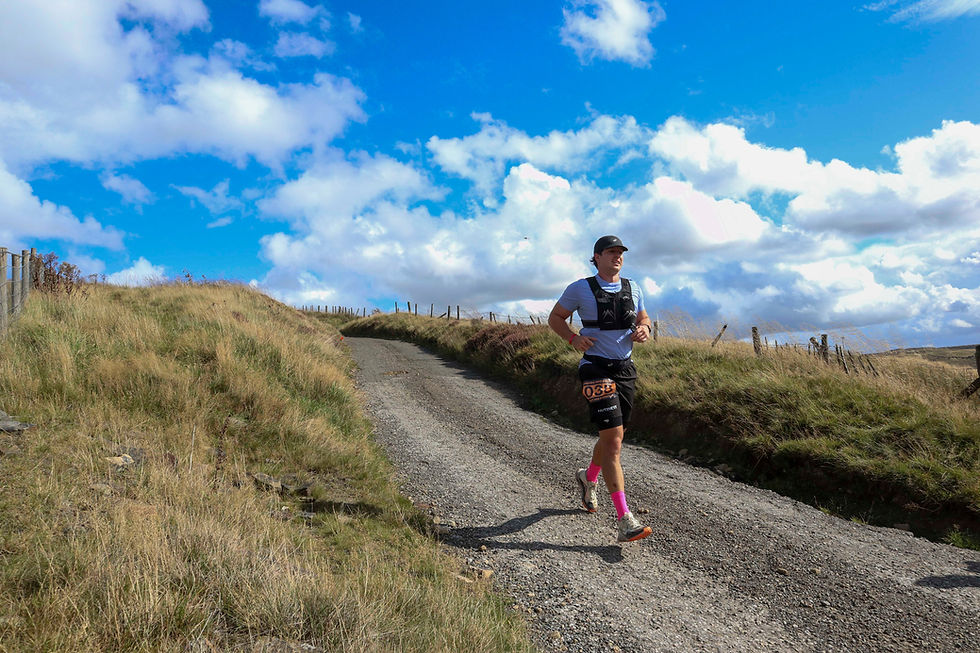
Start at an easy pace to help avoid early fatigue. It is better to begin slowly and finish strong than to sprint out of the gates and struggle later. Because my race had a 250m elevation per lap, a lot of the hills were walked and the time made up on the down hill. Tactics like this should be thought out on the first lap.
Stay Hydrated and Fueled
Drink water regularly and eat your nutrition as planned. Respond to your body’s signals, adjusting your intake as necessary. If you start becoming unable to eat and drink, your running ability will start to deteriorate and your race will end swiftly.
Keep a Positive Mindset
You chose to be here, enjoy it! Concentrate on the lap you're in and celebrate small achievements during the race. It is not just about reaching the finish line. It's equally about enjoying the experience along the way.
Final Thoughts
Preparing for a Last Man Standing race is a full blown journey that demands hard work, strategic planning, and mental resilience. I think by setting specific goals, creating a focused training schedule, prioritising nutrition and never underfueling, and then mentally gearing up, you will set yourself up for success. This race is not really about being the last one standing; it is about pushing your limits and enjoying every step of your journey. So lace up your shoes, hit the trails, and get ready for an incredible adventure ahead!




Comments